


E-shop
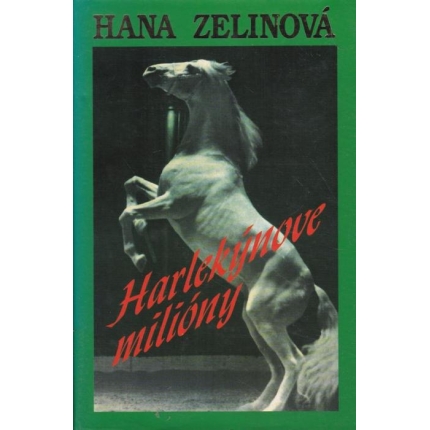
Harlekýnove milióny
3,00 €pevná laminovaná väzba s prebalom, 180 strán, veľmi dobrý stav, slovenský jazyk
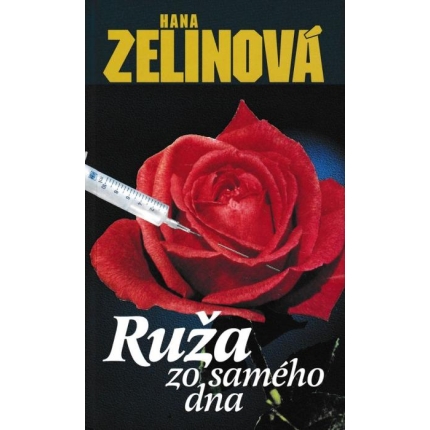
Ruža zo samého dna
3,00 €pevná väzba matná, 119 strán, listy knihy sú mierne zožltnuté, veľmi dobrý stav, slovenský jazyk, bez vpisov a pečiatok
*naše úsilie nie je vietor v poli, a že tie ruže budú raz trhať vo vlastných záhradách, a nie na samom dne ničoty. Preto jej, za seba i za tých v budúcnosti vyliečených zo závislosti od drog, ďakujem zo srdca aj za jej morálnu pomoc pri písaní tejto knihy… Hana Zelinová

Roky v kine Úsmev
3,00 €pevná plátená väzba s prebalom na chrbte knihy mierne zožltnutým, 576 strán, veľmi dobrý stav, slovenský jazyk
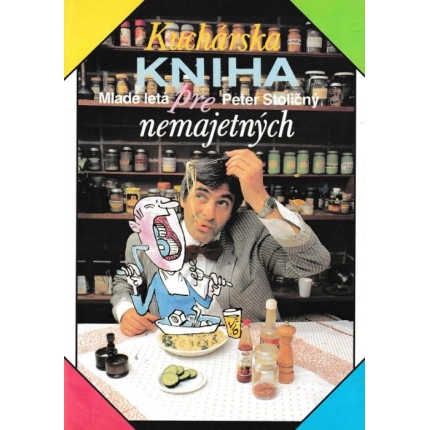
Kuchárska kniha pre nemajetných
3,00 €brožovaná väzba lesklá, 192 strán, listy knihy sú zažltnuté, dobrý stav, slovenský jazyk, väčší formát, 17 x 24 cm
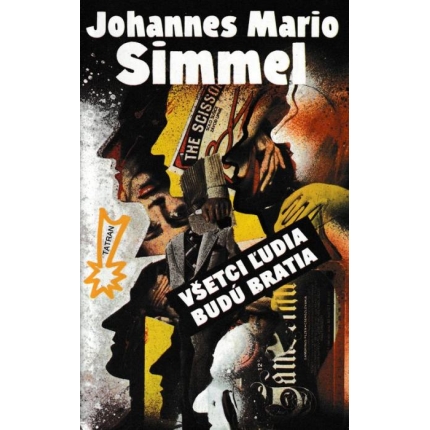
Všetci ľudia budú bratia
4,00 €pevná plátená väzba s prebalom, 616 strán, listy knihy sú mierne zažltnuté, veľmi dobrý stav, slovenský jazyk
* tá ho teraz prenasleduje. Volí preto radšej súdny proces a sám sa vydá do rúk polície. Vo vyšetrovacej väzbe opisuje svoj pestrý, na dramatické zvraty bohatý život, poznačený osudovou, zničujúcou láskou k Lilian.
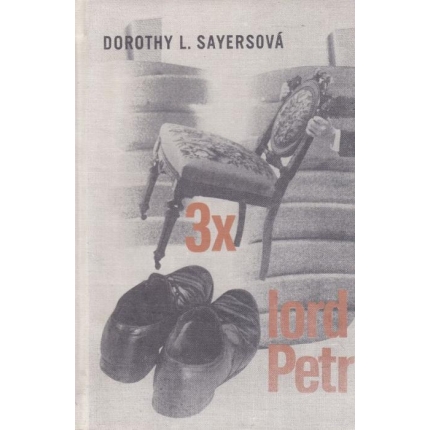
3 x lord Petr (Vražda žádá metodu / Nepříjemnost v klubu Bellona / Podivné námluvy lorda Petra)
3,00 €pevná plátená väzba, 620 strán, listy knihy sú mierne zožltnuté, veľmi dobrý stav, český jazyk
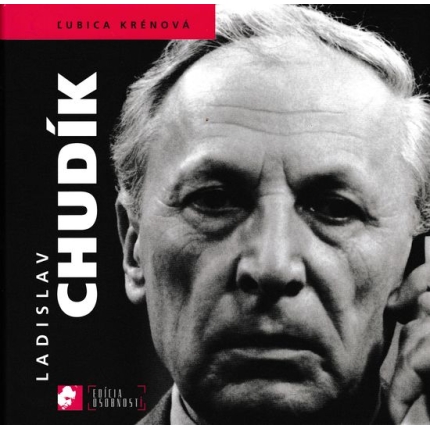
Ladislav Chudík
8,00 €pevná väzba, 432 strán, výborný stav, slovenský jazyk, 21 x 20 cm
*živote. Ambíciou publicistky a divadelnej kritičky Ľubice Krénovej je postihnutie fatálnej prepojenosti profesného s osobným, ktoré je v živote herca ťažko oddeliteľné. Herec prináša do tvorby vlastnú životnú skúsenosť i vlastnú psychiku. Prepožičiavať ich do služieb herectva môže však iba pod prísnou sebakontrolou, pričom hranice medzi hereckou postavou a osobnosťou predstaviteľa sa v prípade autentického herectva, akého je práve Ladislav Chudík zakladateľom, stierajú. Kniha podmanivým spôsobom sleduje zápas herca o originalitu, autenticitu a legitimitu, ktorý je v jeho prípade narúšaný nielen nepriazňou osudu, ale aj smutnými odchodmi nenahraditeľných kolegov – hercov, režisérov, dramatikov, básnikov. Autorka vyčerpávajúco pracovala s kompletnými divadelnými, filmovými i televíznymi archiváliami, a tiež s hercovými osobnými spomienkami, privátnou korešpondenciou a desiatkami jeho vlastných zápisníkov so sugestívnymi a otvorenými intímnymi záznamami umelca, človeka, občana.


Stavební hmoty v praxi
4,00 €pevná väzba bez prebalu, 380 strán, 136 obrázkov, 162 tabuliek, listy zožltnuté, jazyk český

Pevné objetí (Cesta k vnitřní svobodě)
6,00 €brožovaná, 200 strán, prvá čitá strana, na ktorej bolo asi venovanie je vztrhnutá, inak výborný stav
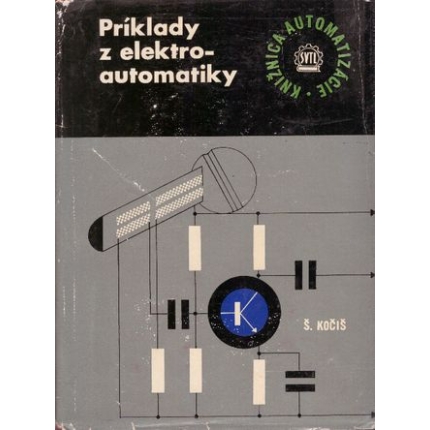
Príklady z elktroautomatiky
3,00 €pevná väzba, 264 strán, 160 obrázkov, 14 tabuliek, listy zožltnuté, jazyk slovenský
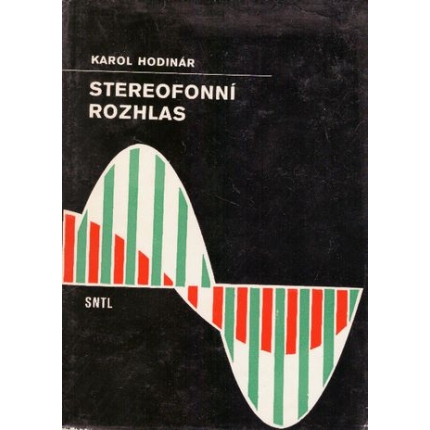
Stereofonní rozhlas
5,00 €pevná väzba, 296 strán, 243 obrázkov, 3 tabuľky, 4 vložené prílohy, dobrý stav, jazyk český

Tajemství úspěchu špičkových obchodníků světa
2,00 €brožovaná väzba lesklá, 92 strán, veľmi dobrý stav, český jazyk, bez vpisov
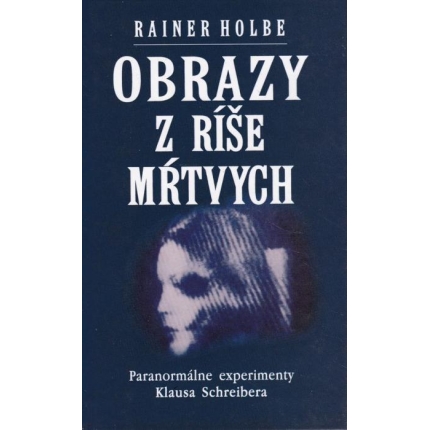
Obrazy z ríše mŕtvych (Paranormálne experimenty Klausa Schreibera)
3,00 €pevná väzba matná, 184 strán, veľmi dobrý stav, slovenský jazyk

Malá zdravoveda
2,00 €brožovaná laminovaná väzba, 294 strán, veľmi dobrý stav, slovenský jazyk, 12,5 x 20 cm
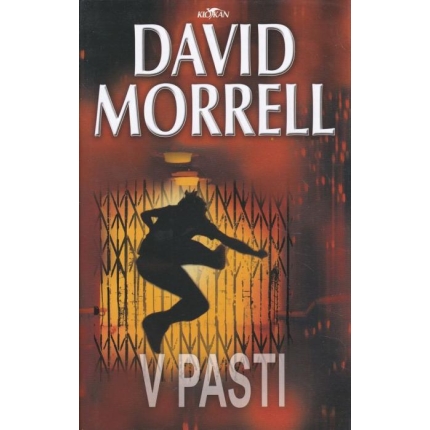
V pasti
3,50 €pevná väzba matná s prebalom, 222 strán, výborný stav, český jazyk
*ztratit se ozbrojeným mužům z očí, ukryje se v jednom z domů. Musí okamžitě začít pracovat na obraně usedlosti, zraněný nemá šanci zabijákům utéci. Bohužel zjistí, že dům není prázdný. Smrtelnému nebezpečí vystavil vyděšenou ženu s malým chlapcem. Krutý boj o záchranu životů začíná…
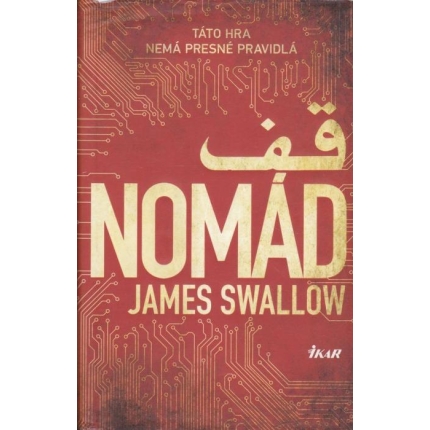
Nomád
4,00 €pevná väzba matná s prebalom, 436 strán, dobrý stav, slovenský jazyk
* páchateľom útoku bol práve Marc. Je obvinený z vlastizrady a v snahe očistiť svoje meno a zachrániť si život sa musí dať na útek. Po čase zistí, že korupcia prerastá aj do ďalších tajných zložiek. Už nemá komu dôverovať, ani na koho sa obrátiť o pomoc. A vtedy mu cestu skríži Lucy Keyesová, bývalá príslušníčka amerického námorníctva, ktorá vie, čo znamená byť outsiderom. Spoločne sa snažia získať čo najviac dôkazov a informácií, pretože je viac než isté, že za všetkým stoja záujmy rôznych organizácií a skupín a honba za ziskmi pochádzajúcimi z nelegálnej činnosti. Podporu nájdu u Ekka Solomona, vlastníka veľmi vplyvnej spoločnosti Rubicon Group, pre ktorého Lucy pracuje. Lenže to všetko je len začiatok.
Preložil Peter Tkačenko

Klient
4,00 €pevná laminovaná väzba s prebalom, 376 strán, výborný stav, slovenský jazyk
*okolností sa dozvie aj to, kde je ukryté telo obete mafiánskej vraždy. Od tej chvíle sa stáva z neho štvanec. Má v pätách políciu i mafiu. Chlapec je našťastie veľmi bystrý, podarí sa mu nájsť si advokátku, ktorá je v tomto príbehu spoluhrdinkou. Pestrý dej je priam nabitý „vysokým napätím“.
Preložil Marián Andričík

Porota
4,00 €pevná laminovaná väzba, prebal chýba, 390 strán, veľmi dobrý stav, slovenský jazyk
* Rozhodnutie je v rukách poroty, ktorou však ktosi prefíkane manipuluje v snahe vytĺcť z toho miliónový kapitál…
Preložila Veronika Redererová
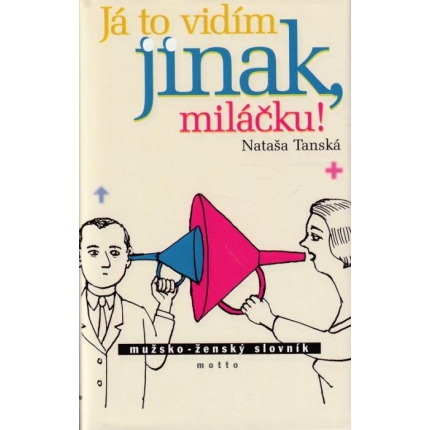
Já to vidím jinak, miláčku! (Mužsko-ženský slovník)
3,00 €pevná väzba matná s prebalom, 110 strán, veľmi dobrý stav, český jazyk, menší formát, 12 x 19 cm
*říká. A právě takovým slovníkem je kniha, kterou držíte v ruce – s humorem a nadsázkou vám prozradí, jak rozdílně rozumějí muži a ženy pojmům, jako je nevěra, epizoda, flirt, in flagranti, impotence, láska, nevěstinec…
Ilustroval Jiří Slíva. Dotlač prvého vydania
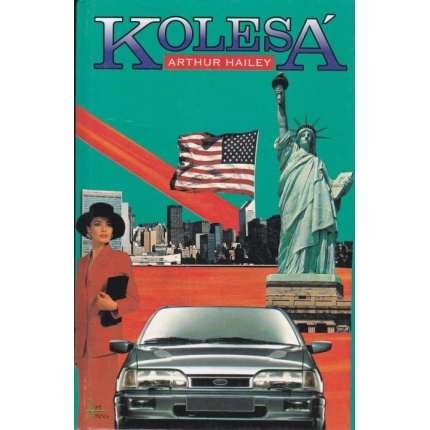
Kolesá
3,00 €pevná laminovaná väzba, 368 strán, listy knihy sú mierne zožltnuté, veľmi dobrý stav, slovenský jazyk
*Preložila Judita Schromová

Indiáni včera, dnes a zajtra
6,00 €pevná plátená väzba s prebalom výrazne opotrebovaným, 288 strán, 80 príloh, dobrý stav, slovenský jazyk, väčší formát, 17 x 24,5 cm,na titulnej strane napísaná krátka poznámka
*s vojnovou sekerou, akých poznáme z indiánok. Kapitoly: Predohra ku sláve, Olmékovia, Od Totonakov k Mixtékom, Aztékovia, Rovnica s mnohými neznámymi, Inkovia, Muiskovia, Dávno pred Kolumbom, Kľúč k indiánskym kultúram, Návrat bielych bohov, Ako rozvrátiť indiánske kultúry, Hľadanie Eldoráda, Mayovia, Od Ohňovej zeme po Karibské more, Indiáni prérii, Od Aljašky po Floridu, Skalp, squaw, vigvam, Smrť na Mississippi, Dobytie Ďalekého západu, Winnetouovi dedičia, Pod indiánskou vlajkou, Kolonializmus proti Indiánom-Indiáni proti kolonializmu, Revolucionári, reformisti a indigenisti, Cesta k Pátzcuaru, Pohľad na zajtrajšok.
Preložila poňa Scwarzová. Vydanie prvé
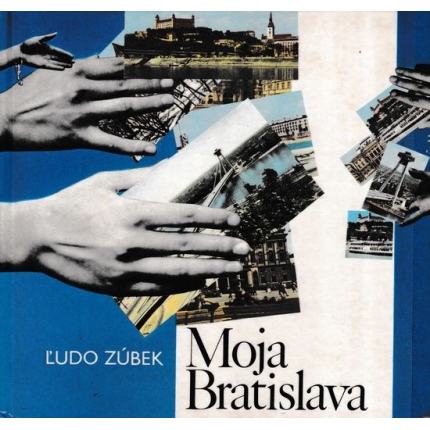
Moja Bratislava
3,00 €pevná laminovaná väzba, 160 strán, veľmi dobrý stav, slovenský jazyk, kniha vyradená z knižnice
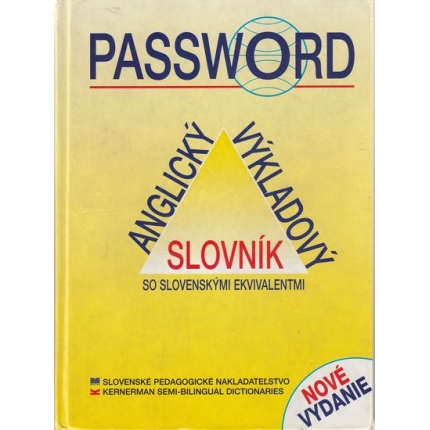
Password – Anglický výkladový slovník so slovenskými ekvivalentami
9,00 €pevná väzba, 864 strán, 17 x 24 cm, veľmi dobrý stav


Psychológia v XX. storočí (Teoretické problémy vývinu psychológie)
7,00 €pevná väzba, 504 strán, prebal na okrajoch trochu opotrebovaný, inak veľmi dobrý stav, slovenský jazyk.

Nikdo nikde ( Nevšední životopis dívky s autismem )
9,00 €pevná väzba, 228 strán, výborný stav, český jazyk
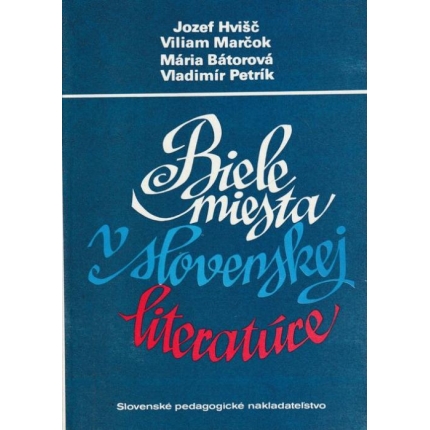
Biele miesta v slovenskej literatúre
3,00 €brožovaná 262 strán, veľmi dobrý stav
… Jedna kapitola je venovaná Katolíckej moderne.
Španielsko-slovenský / slovensko-španielsky technický prekladový slovník
7,00 €pevná väzba, 1139 strán, dobrý stav
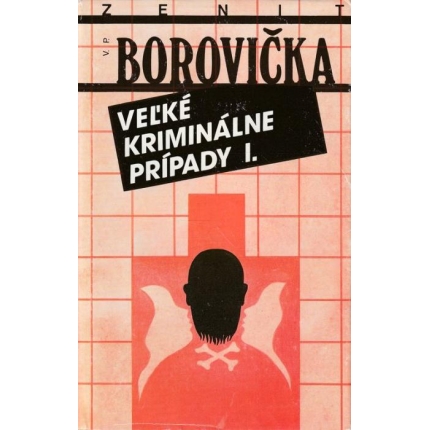
Veľké kriminálne prípady I.
3,00 €pevná väzba, 448 strán, prebal opotrebovaný, inak veľmi dobrý stav, slovenský jazyk

Léčba bylinami, vůněmi, čaji, koupelemi, masážemi, půstem, vegetariánskou a syrovou stravou
4,00 €brožovaná, 224 strán, veľmi dobrý stav, český jazyk

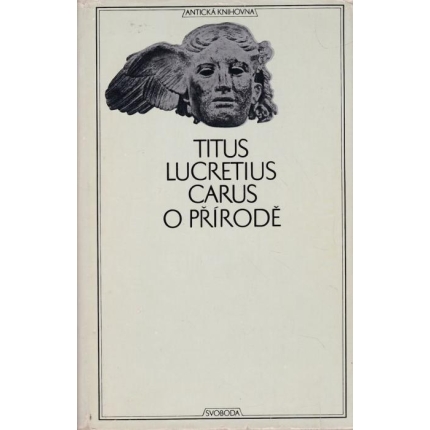
O přírodě (De rerum natura)
4,50 €pevná plátená väzba s prebalom, 272 strán, veľmi dobrý stav, český jazyk
*kde vše vzniká, trvá a zaniká, bohové nemohou zasahovat do světa, který povstal z atomů, neexistuje ani podsvětí a bohové žijí v nečinnosti v nebesích, kde se radují ze své blaženosti,
Psáno hexametrem, ale používá, oproti Ovidiovi nebo Vergiliovi, neobvyklé řazení přízvuku, používá archaismy i novotvary, podílí se na vytváření latinské filosofické terminologie převodem z řečtiny, věnovánu příteli Gaiu Memmiovi.
Preložila, úvod napísala, poznámkami a registrom doplnila Julie Nováková. Vydanie druhé, prepracované (vo vydavateľstve Svoboda prvé). Náklad 27 600 výtlačkov

Kľúče od mesta (Bratislavská rozprávka)
4,00 €pevná väzba, 96 strán, veľmi dobrý stav, slovenský jazyk
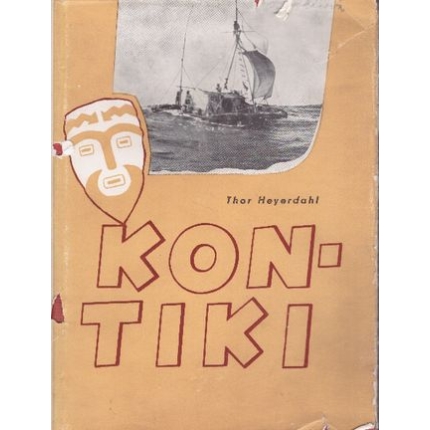
Kon-Tiki
4,00 €pevná väzba, 209 strán, prebal opotrebovaný, listy zožltnuté, obsahuje venovanie, inak dobrý stav, jazyk slovenský
Kniha Kon-Tiki je zaujímavým rozprávaním o odvážnej plavbe, ktorú spolu so svojimi piatimi druhmi podnikol autor z Peru až na tichomorské ostrovy v Polynézii, a to na plti podobnej plavidlám starých Inkov. Príhody plné napätia, striedané a tichou pohodou na šírom mori poskytujú čitateľovi pútavé a pritom poučné čítanie
Tragédie ( Antigoné/ Élektra/ Král Oidipús/ Oidipús na Kolónu/ Filoktétés/ Tráchíňanky/ Aiás/ Slídiči/ Zlomky)
9,00 €pevná plátená väzba s prebalom na chrbte knihy zožltnutým, 624 strán, veľmi dobrý stav, český jazyk
Satiry
3,50 €pevná plátená väzba s prebalom na chrbte knihy mierne zožltnutým, vúzba na chrbte knihy vyblednutá, 316 strán, veľmi dobrý stav, český jazyk
Satirikon
3,00 €pevná plátená väzba s prebalom na chrbte knihy zožltnutým, väzba na chrbte knihy vyblednutá, 200 strán, veľmi dobrý stav, český jazyk
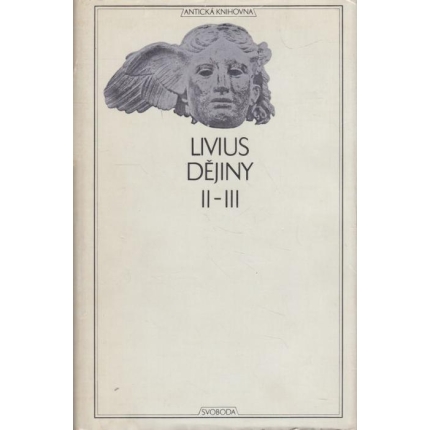
Dějiny II.- III.
8,00 €pevná plátená väzba s prebalom, väzba na chrbte knihy vyblednutá, 588 strán, veľmi dobrý stav, český jazyk
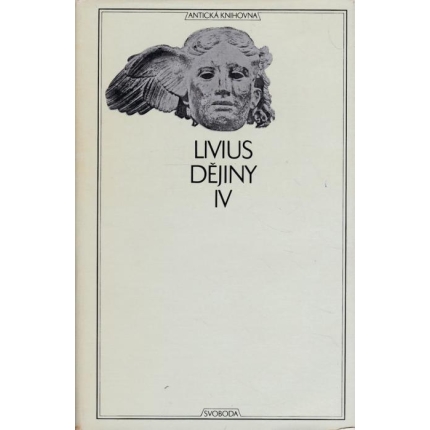
Dějiny IV
7,50 €pevná plátená väzba s prebalom, väzba na chrbte knihy vyblednutá, 540 strán, veľmi dobrý stav, český jazyk


Fairy Tales from Many Lands
7,00 €pevná väzba, 157 strán, veľmi dobrý stav, jazyk anglický, veľký formát 23 x 30 cm
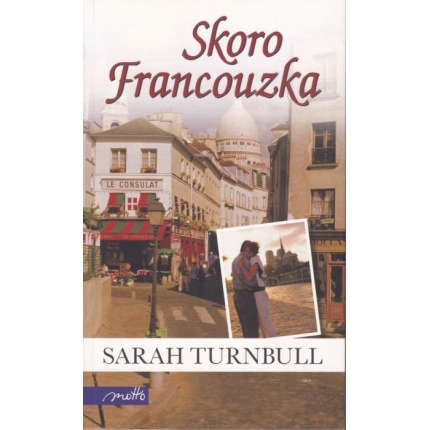
Skoro Francouzka
4,00 €brožovaná väzba matná, 330 strán,veľmi dobrý stav, český jazyk
*„Skorofrancouzky“ – ženy, která v ní žije, ale stále zůstává tak trochu cizinkou.
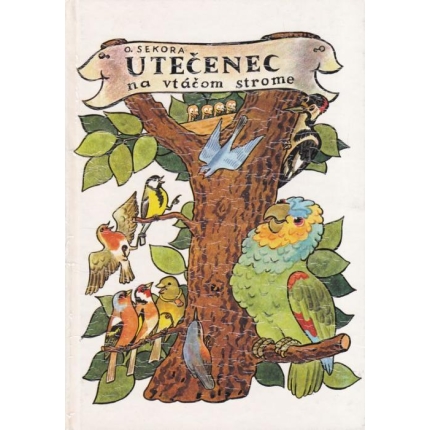
Utečenec na vtáčom strome
4,00 €pevná laminovaná väzba, 160 strán, výborný stav, slovenský jazyk, väčší formát, 17 x 24,5 cm, bez vpisov a pečiatok
*hlavného hrdinu autor odovzdáva deťom množstvo informácií z vtáčieho sveta, popisuje život jednotlivých druhov vtákov, ich zvyky, druhy hniezd, výchovu mláďat a prináša aj zaujímavosti z oblasti chovateľstva vtákov. Neoddeliteľnou súčasťou knihy sú milé a verné ilustrácie, ktoré až učebnicovým spôsobom približujú deťom aj vzhľad jednotlivých vtáčích druhov. Neprávom menej známa kniha Utečenec na vtáčom strome je hodnotná detská literatúra, ktorá má ambíciu nielen pobaviť, ale aj nenásilne, hravým spôsobom vedomostne obohatiť súčasnú generáciu detí.
Preložila Gusta Baricová. Vydanie v slovenčine prvé, náklad 31 500 výtlačkov

Čim čarara čim (Rečňovánky, veršíky pre deti)
3,00 €pevná väzba,44 strán, dobrý stav, slovenský jazyk

Cestou nádeje (Príspevok evanjelikov k slovenskej národnej identite)
7,00 €brožovaná, 400 strán, na soreze malá hnedá švrnka, inak veľmi dobrý stav

Maľované jarmá
4,00 €pevná väzba, 144 strán, prebal a listy trochu zožltnuté, inak veľmi dobrý stav

Zažiaril meteor (Z tvorby slovenských romantických básnikov)
4,00 €pevná väzba, 152 strán, prebal trošku opotrebovaný, inak veľmi dobrý stav, slovenský jazyk
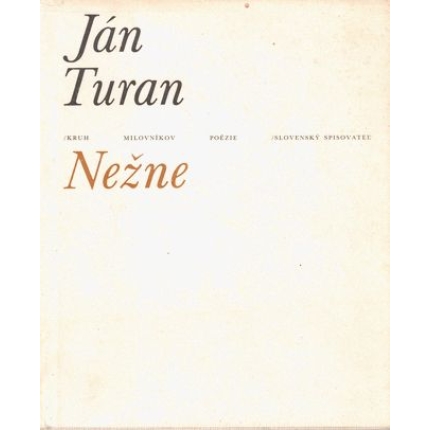
Život furtáka
3,00 €pevná väzba bez prebalu, 176 strán, listy zožltnuté, na tretej strane venovanie, jazyk slovenský
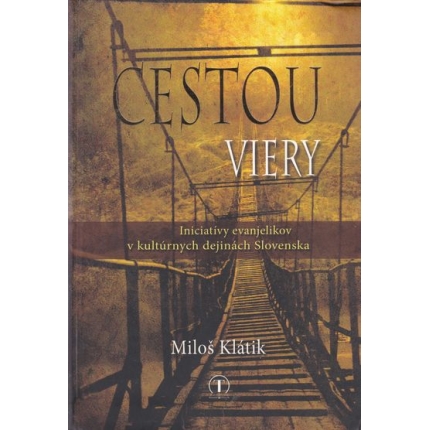
Cestou viery – Iniciatívy evanjelikov v kultúrnych dejinách Slovenska
5,00 €brožovaná, 201 strán, výborný stav
… „evanjelické prostredie“, „evanjelické školstvo“ a „fenomén evanjelickej rodiny“, pričom kvantitatívne sa väčšina textu týka v prvom rade evanjelických osobností a ich kultúrnych iniciatív, ako aj postojov v rozličných historických situáciách. Kniha je založená na dôkladnom štúdiu faktografického materiáluz dejín evanjelickej cirkvi na Slovensku a jeho presnom spracovaní. Dôsledne sformulované úvodné vymedzenie pojmov vytvára dobré predpoklady na následné úvahy o kultúrnom, spoločenskom, politickom i teologickom aspekte kultúrnej činnosti slovenských evanjelikov vo vzdialenej i bližšej minulosti a na zmysluplné vyhodnotenie ich postavenia v slovenskom národnom a kultúrnom spektre. Miloš Klátik tu ukazuje, že evanjelici sa významným spôsobom podieľali na tvorbe a formovaní slovenskej kultúry, ale v neposlednom rade aj národnej celistvosti a teritoriálnej vymedzenosti existencie slovenského národa. Významné je upozornenie na občas aj zanedbávanú skutočnosť, že už po prvej zákonodarnej synode evanjelikov na území dnešného Slovenska, ktorá sa konala v roku 1610, sa začalo územie Slovenska vnímať ako relatívne presne vymedzená etnická a kultúrna jednotka vtedajšieho Uhorska. Dôležitosti Žilinskej synody aj z tohto hľadiska (z hľadiska dlhodobého formovania zárodkov slovenskej štátnosti) sa dostáva náležitého ocenenia až v súčasnosti, a to aj zásluhou generálneho biskupa Evanjelickej cirkvi a. v. na Slovensku Miloša Klátika.

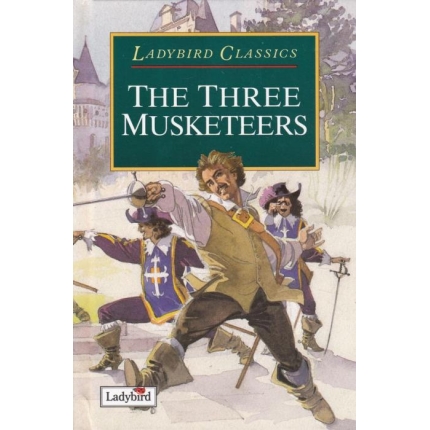
The Three Musketeers
1,80 €pevná laminovaná väzba, 51 strán, výborný stav, anglický jazyk, menší formát, 12 x 18 cm