Zobrazujú sa 4 výsledkyZoradené podľa najnovších

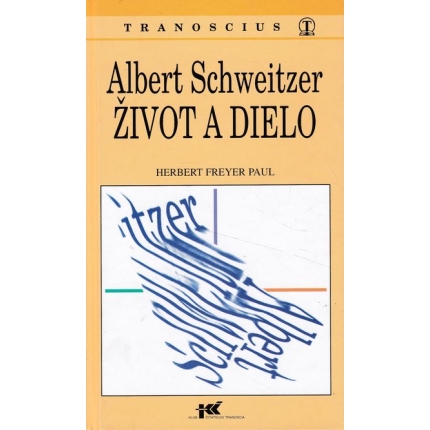
Albert Schweitzer – Život a dielo

3,00 €

pevná väzba matná, 206 strán, listy knihy sú mierne zožltnuté, veľmi dobrý stav, slovenský jazyk

Edícia Klub čitateľov Tranoscia, zv. 11

Albert Schweizter bol presvedčený humanista, veľký mysliteľ, historik a vynikajúci organista sa vzdáva sľubnej kariéry vysokoškolského profesora, hudobného virtuóza a uznávaného spisovateľa, aby odišiel roku 1912 ako lekár medzi tých, ktorí ho podľa jeho presvedčenia potrebovali najviac. Veril, že chamtivým kolonializmom opantaným svetom môže účinne pohnúť len osobný príklad. Od tých čias prešli desiatky rokov a nad svetom sa prevalili dve ničivé svetové vojny. Veľmi bezprostredne postihli aj Schweiztera a jeho dielo. Nezlomili však jeho vieru v činorodý humanizmus a v zdravý rozum. Prichádza k poznaniu, že jedinou záchranou ľudstva pred hroziacou skazou je a zostáva iba dôsledný boj všetkých statočných ľudí za mier. S celou váhou svojej autority, ktorú uznávajú vedci, umelci i politici, vydáva výzvy za odzbrojenie a zrieknutie sa jadrových zbraní. O Albertovi Schweizterovi a jeho chýrnej lambarénskej nemocnici v pralese rovníkovej Afriky bolo už napísaných vyše 600 kníh. Jeho vlastné filozofické, odborné i belestricko-náučné knihy vyšli v státisícových nákladoch a prekladajú ich do všetkých svetových jazykoch.

Preložil Štefan Teren. Vydanie v Tranosciu prvé

Perly múdrosti

2,00 €

brožovaná väzba lesklá, 176 strán, veľmi dobrý stav, slovenský jazyk

Vydanie prvé

Ruža zo samého dna

3,00 €

pevná väzba matná, 119 strán, listy knihy sú mierne zožltnuté, veľmi dobrý stav, slovenský jazyk, bez vpisov a pečiatok

…A ja mám, spolu s mojou sprievodkyňou na strastiplnej ceste pomoci drogovo závislej mládeži k návratu z pekla drogovej závislosti do života MUDr. Vierou Oravcovou-Teplou, primárkou Psychiatrickej kliniky Fakultnej nemocnice v Bratislave, dojem, že naše úsilie nie je vietor v poli, a že tie ruže budú raz trhať vo vlastných záhradách, a nie na samom dne ničoty. Preto jej, za seba i za tých v budúcnosti vyliečených zo závislosti od drog, ďakujem zo srdca aj za jej morálnu pomoc pri písaní tejto knihy… Hana Zelinová


What can the sexual habits of chimpanzees tell us about the prehistory of the modern mind?
This is the first archaeological account to support the new modular concept of the mind. The concept, promulgated by cognitive and evolutionary psychologists, views the mind as a collection of specialized intelligences or „cognitive domains,“ somewhat like a Swiss army knife with its specialized blades and tools. Arguing that only archaeology can answer many of the key questions raised by the new concept, Mithen delineates a three-phase sequence for the mind’s evolution over six million years―from early Homo in Africa to the ice-age Neanderthals to our modern modular minds. The Prehistory of the Mind is an intriguing and challenging explanation of what it means to be human, a bold new theory about the origins and nature of the mind.
When did religious beliefs first emerge?
Why were the first paintings made by humankind so technically accomplished and expressive?
What can the sexual habits of chimpanzees tell us about the prehistory of the modern mind?
This is the first archaeological account to support the new modular concept of the mind. The concept, promulgated by cognitive and evolutionary psychologists, views the mind as a collection of specialized intelligences or „cognitive domains,“ somewhat like a Swiss army knife with its specialized blades and tools. Arguing that only archaeology can answer many of the key questions raised by the new concept, Mithen delineates a three-phase sequence for the mind’s evolution over six million years―from early Homo in Africa to the ice-age Neanderthals to our modern modular minds. The Prehistory of the Mind is an intriguing and challenging explanation of what it means to be human, a bold new theory about the origins and nature of the mind.
When did religious beliefs first emerge?
Why were the first paintings made by humankind so technically accomplished and expressive?
What can the sexual habits of chimpanzees tell us about the prehistory of the modern mind?
This is the first archaeological account to support the new modular concept of the mind. The concept, promulgated by cognitive and evolutionary psychologists, views the mind as a collection of specialized intelligences or „cognitive domains,“ somewhat like a Swiss army knife with its specialized blades and tools. Arguing that only archaeology can answer many of the key questions raised by the new concept, Mithen delineates a three-phase sequence for the mind’s evolution over six million years―from early Homo in Africa to the ice-age Neanderthals to our modern modular minds. The Prehistory of the Mind is an intriguing and challenging explanation of what it means to be human, a bold new theory about the origins and nature of the mind.
Were our brains hard-wired in the Pleistocene Era by the needs of hunter-gatherers?
When did religious beliefs first emerge?
Why were the first paintings made by humankind so technically accomplished and expressive?
What can the sexual habits of chimpanzees tell us about the prehistory of the modern mind?
This is the first archaeological account to support the new modular concept of the mind. The concept, promulgated by cognitive and evolutionary psychologists, views the mind as a collection of specialized intelligences or „cognitive domains,“ somewhat like a Swiss army knife with its specialized blades and tools. Arguing that only archaeology can answer many of the key questions raised by the new concept, Mithen delineates a three-phase sequence for the mind’s evolution over six million years―from early Homo in Africa to the ice-age Neanderthals to our modern modular minds. The Prehistory of the Mind is an intriguing and challenging explanation of what it means to be human, a bold new theory about the origins and nature of the mind.
Were our brains hard-wired in the Pleistocene Era by the needs of hunter-gatherers?
When did religious beliefs first emerge?
Why were the first paintings made by humankind so technically accomplished and expressive?
What can the sexual habits of chimpanzees tell us about the prehistory of the modern mind?
This is the first archaeological account to support the new modular concept of the mind. The concept, promulgated by cognitive and evolutionary psychologists, views the mind as a collection of specialized intelligences or „cognitive domains,“ somewhat like a Swiss army knife with its specialized blades and tools. Arguing that only archaeology can answer many of the key questions raised by the new concept, Mithen delineates a three-phase sequence for the mind’s evolution over six million years―from early Homo in Africa to the ice-age Neanderthals to our modern modular minds. The Prehistory of the Mind is an intriguing and challenging explanation of what it means to be human, a bold new theory about the origins and nature of the mind.
Here is an exhilarating intellectual performance, in the tradition of Roger Penrose’s The Emperor’s New Mind and Steven Pinker’s The Language Instinct. On the way to showing how the world of our ancient ancestors shaped our modern modular mind, Steven Mithen shares one provocative insight after another as he answers a series of fascinating questions:
Were our brains hard-wired in the Pleistocene Era by the needs of hunter-gatherers?
When did religious beliefs first emerge?
Why were the first paintings made by humankind so technically accomplished and expressive?
What can the sexual habits of chimpanzees tell us about the prehistory of the modern mind?
This is the first archaeological account to support the new modular concept of the mind. The concept, promulgated by cognitive and evolutionary psychologists, views the mind as a collection of specialized intelligences or „cognitive domains,“ somewhat like a Swiss army knife with its specialized blades and tools. Arguing that only archaeology can answer many of the key questions raised by the new concept, Mithen delineates a three-phase sequence for the mind’s evolution over six million years―from early Homo in Africa to the ice-age Neanderthals to our modern modular minds. The Prehistory of the Mind is an intriguing and challenging explanation of what it means to be human, a bold new theory about the origins and nature of the mind. Here is an exhilarating intellectual performance, in the tradition of Roger Penrose’s The Emperor’s New Mind and Steven Pinker’s The Language Instinct. On the way to showing how the world of our ancient ancestors shaped our modern modular mind, Steven Mithen shares one provocative insight after another as he answers a series of fascinating questions:
Were our brains hard-wired in the Pleistocene Era by the needs of hunter-gatherers?
When did religious beliefs first emerge?
Why were the first paintings made by humankind so technically accomplished and expressive?
What can the sexual habits of chimpanzees tell us about the prehistory of the modern mind?
This is the first archaeological account to support the new modular concept of the mind. The concept, promulgated by cognitive and evolutionary psychologists, views the mind as a collection of specialized intelligences or „cognitive domains,“ somewhat like a Swiss army knife with its specialized blades and tools. Arguing that only archaeology can answer many of the key questions raised by the new concept, Mithen delineates a three-phase sequence for the mind’s evolution over six million years―from early Homo in Africa to the ice-age Neanderthals to our modern modular minds. The Prehistory of the Mind is an intriguing and challenging explanation of what it means to be human, a bold new theory about the origins and nature of the mind.
Here is an exhilarating intellectual performance, in the tradition of Roger Penrose’s The Emperor’s New Mind and Steven Pinker’s The Language Instinct. On the way to showing how the world of our ancient ancestors shaped our modern modular mind, Steven Mithen shares one provocative insight after another as he answers a series of fascinating questions:
Were our brains hard-wired in the Pleistocene Era by the needs of hunter-gatherers?
When did religious beliefs first emerge?
Why were the first paintings made by humankind so technically accomplished and expressive?
What can the sexual habits of chimpanzees tell us about the prehistory of the modern mind?
This is the first archaeological account to support the new modular concept of the mind. The concept, promulgated by cognitive and evolutionary psychologists, views the mind as a collection of specialized intelligences or „cognitive domains,“ somewhat like a Swiss army knife with its specialized blades and tools. Arguing that only archaeology can answer many of the key questions raised by the new concept, Mithen delineates a three-phase sequence for the mind’s evolution over six million years―from early Homo in Africa to the ice-age Neanderthals to our modern modular minds. The Prehistory of the Mind is an intriguing and challenging explanation of what it means to be human, a bold new theory about the origins and nature of the mind.
Here is an exhilarating intellectual performance, in the tradition of Roger Penrose’s The Emperor’s New Mind and Steven Pinker’s The Language Instinct. On the way to showing how the world of our ancient ancestors shaped our modern modular mind, Steven Mithen shares one provocative insight after another as he answers a series of fascinating questions:
Were our brains hard-wired in the Pleistocene Era by the needs of hunter-gatherers?
When did religious beliefs first emerge?
Why were the first paintings made by humankind so technically accomplished and expressive?
What can the sexual habits of chimpanzees tell us about the prehistory of the modern mind?
This is the first archaeological account to support the new modular concept of the mind. The concept, promulgated by cognitive and evolutionary psychologists, views the mind as a collection of specialized intelligences or „cognitive domains,“ somewhat like a Swiss army knife with its specialized blades and tools. Arguing that only archaeology can answer many of the key questions raised by the new concept, Mithen delineates a three-phase sequence for the mind’s evolution over six million years―from early Homo in Africa to the ice-age Neanderthals to our modern modular minds. The Prehistory of the Mind is an intriguing and challenging explanation of what it means to be human, a bold new theory about the origins and nature of the mind.Here is an exhilarating intellectual performance, in the tradition of Roger Penrose’s The Emperor’s New Mind and Steven Pinker’s The Language Instinct. On the way to showing how the world of our ancient ancestors shaped our modern modular mind, Steven Mithen shares one provocative insight after another as he answers a series of fascinating questions:
Were our brains hard-wired in the Pleistocene Era by the needs of hunter-gatherers?
When did religious beliefs first emerge?
Why were the first paintings made by humankind so technically accomplished and expressive?
What can the sexual habits of chimpanzees tell us about the prehistory of the modern mind?
This is the first archaeological account to support the new modular concept of the mind. The concept, promulgated by cognitive and evolutionary psychologists, views the mind as a collection of specialized intelligences or „cognitive domains,“ somewhat like a Swiss army knife with its specialized blades and tools. Arguing that only archaeology can answer many of the key questions raised by the new concept, Mithen delineates a three-phase sequence for the mind’s evolution over six million years―from early Homo in Africa to the ice-age Neanderthals to our modern modular minds. The Prehistory of the Mind is an intriguing and challenging explanation of what it means to be human, a bold new theory about the origins and nature of the mind.

Ruža zo samého dna

3,00 €

pevná väzba matná, 119 strán, listy knihy sú mierne zožltnuté, veľmi dobrý stav, slovenský jazyk, bez vpisov a pečiatok


*naše úsilie nie je vietor v poli, a že tie ruže budú raz trhať vo vlastných záhradách, a nie na samom dne ničoty. Preto jej, za seba i za tých v budúcnosti vyliečených zo závislosti od drog, ďakujem zo srdca aj za jej morálnu pomoc pri písaní tejto knihy… Hana Zelinová


… naše úsilie nie je vietor v poli, a že tie ruže budú raz trhať vo vlastných záhradách, a nie na samom dne ničoty. Preto jej, za seba i za tých v budúcnosti vyliečených zo závislosti od drog, ďakujem zo srdca aj za jej morálnu pomoc pri písaní tejto knihy… Hana ZelinovápWhy were the first paintings made by humankind so technically accomplished and expressive?
What can the sexual habits of chimpanzees tell us about the prehistory of the modern mind?
This is the first archaeological account to support the new modular concept of the mind. The concept, promulgated by cognitive and evolutionary psychologists, views the mind as a collection of specialized intelligences or „cognitive domains,“ somewhat like a Swiss army knife with its specialized blades and tools. Arguing that only archaeology can answer many of the key questions raised by the new concept, Mithen delineates a three-phase sequence for the mind’s evolution over six million years―from early Homo in Africa to the ice-age Neanderthals to our modern modular minds. The Prehistory of the Mind is an intriguing and challenging explanation of what it means to be human, a bold new theory about the origins and nature of the mind.
When did religious beliefs first emerge?
Why were the first paintings made by humankind so technically accomplished and expressive?
What can the sexual habits of chimpanzees tell us about the prehistory of the modern mind?
This is the first archaeological account to support the new modular concept of the mind. The concept, promulgated by cognitive and evolutionary psychologists, views the mind as a collection of specialized intelligences or „cognitive domains,“ somewhat like a Swiss army knife with its specialized blades and tools. Arguing that only archaeology can answer many of the key questions raised by the new concept, Mithen delineates a three-phase sequence for the mind’s evolution over six million years―from early Homo in Africa to the ice-age Neanderthals to our modern modular minds. The Prehistory of the Mind is an intriguing and challenging explanation of what it means to be human, a bold new theory about the origins and nature of the mind.
When did religious beliefs first emerge?
Why were the first paintings made by humankind so technically accomplished and expressive?
What can the sexual habits of chimpanzees tell us about the prehistory of the modern mind?
This is the first archaeological account to support the new modular concept of the mind. The concept, promulgated by cognitive and evolutionary psychologists, views the mind as a collection of specialized intelligences or „cognitive domains,“ somewhat like a Swiss army knife with its specialized blades and tools. Arguing that only archaeology can answer many of the key questions raised by the new concept, Mithen delineates a three-phase sequence for the mind’s evolution over six million years―from early Homo in Africa to the ice-age Neanderthals to our modern modular minds. The Prehistory of the Mind is an intriguing and challenging explanation of what it means to be human, a bold new theory about the origins and nature of the mind.
Were our brains hard-wired in the Pleistocene Era by the needs of hunter-gatherers?
When did religious beliefs first emerge?
Why were the first paintings made by humankind so technically accomplished and expressive?
What can the sexual habits of chimpanzees tell us about the prehistory of the modern mind?
This is the first archaeological account to support the new modular concept of the mind. The concept, promulgated by cognitive and evolutionary psychologists, views the mind as a collection of specialized intelligences or „cognitive domains,“ somewhat like a Swiss army knife with its specialized blades and tools. Arguing that only archaeology can answer many of the key questions raised by the new concept, Mithen delineates a three-phase sequence for the mind’s evolution over six million years―from early Homo in Africa to the ice-age Neanderthals to our modern modular minds. The Prehistory of the Mind is an intriguing and challenging explanation of what it means to be human, a bold new theory about the origins and nature of the mind.

Were our brains hard-wired in the Pleistocene Era by the needs of hunter-gatherers?
When did religious beliefs first emerge?
Why were the first paintings made by humankind so technically accomplished and expressive?
What can the sexual habits of chimpanzees tell us about the prehistory of the modern mind?
This is the first archaeological account to support the new modular concept of the mind. The concept, promulgated by cognitive and evolutionary psychologists, views the mind as a collection of specialized intelligences or „cognitive domains,“ somewhat like a Swiss army knife with its specialized blades and tools. Arguing that only archaeology can answer many of the key questions raised by the new concept, Mithen delineates a three-phase sequence for the mind’s evolution over six million years―from early Homo in Africa to the ice-age Neanderthals to our modern modular minds. The Prehistory of the Mind is an intriguing and challenging explanation of what it means to be human, a bold new theory about the origins and nature of the mind. 
Here is an exhilarating intellectual performance, in the tradition of Roger Penrose’s The Emperor’s New Mind and Steven Pinker’s The Language Instinct. On the way to showing how the world of our ancient ancestors shaped our modern modular mind, Steven Mithen shares one provocative insight after another as he answers a series of fascinating questions:
Were our brains hard-wired in the Pleistocene Era by the needs of hunter-gatherers?
When did religious beliefs first emerge?
Why were the first paintings made by humankind so technically accomplished and expressive?
What can the sexual habits of chimpanzees tell us about the prehistory of the modern mind?
This is the first archaeological account to support the new modular concept of the mind. The concept, promulgated by cognitive and evolutionary psychologists, views the mind as a collection of specialized intelligences or „cognitive domains,“ somewhat like a Swiss army knife with its specialized blades and tools. Arguing that only archaeology can answer many of the key questions raised by the new concept, Mithen delineates a three-phase sequence for the mind’s evolution over six million years―from early Homo in Africa to the ice-age Neanderthals to our modern modular minds. The Prehistory of the Mind is an intriguing and challenging explanation of what it means to be human, a bold new theory about the origins and nature of the mind. Here is an exhilarating intellectual performance, in the tradition of Roger Penrose’s The Emperor’s New Mind and Steven Pinker’s The Language Instinct. On the way to showing how the world of our ancient ancestors shaped our modern modular mind, Steven Mithen shares one provocative insight after another as he answers a series of fascinating questions:
Were our brains hard-wired in the Pleistocene Era by the needs of hunter-gatherers?
When did religious beliefs first emerge?
Why were the first paintings made by humankind so technically accomplished and expressive?
What can the sexual habits of chimpanzees tell us about the prehistory of the modern mind?
This is the first archaeological account to support the new modular concept of the mind. The concept, promulgated by cognitive and evolutionary psychologists, views the mind as a collection of specialized intelligences or „cognitive domains,“ somewhat like a Swiss army knife with its specialized blades and tools. Arguing that only archaeology can answer many of the key questions raised by the new concept, Mithen delineates a three-phase sequence for the mind’s evolution over six million years―from early Homo in Africa to the ice-age Neanderthals to our modern modular minds. The Prehistory of the Mind is an intriguing and challenging explanation of what it means to be human, a bold new theory about the origins and nature of the mind. 
Here is an exhilarating intellectual performance, in the tradition of Roger Penrose’s The Emperor’s New Mind and Steven Pinker’s The Language Instinct. On the way to showing how the world of our ancient ancestors shaped our modern modular mind, Steven Mithen shares one provocative insight after another as he answers a series of fascinating questions:
Were our brains hard-wired in the Pleistocene Era by the needs of hunter-gatherers?
When did religious beliefs first emerge?
Why were the first paintings made by humankind so technically accomplished and expressive?
What can the sexual habits of chimpanzees tell us about the prehistory of the modern mind?
This is the first archaeological account to support the new modular concept of the mind. The concept, promulgated by cognitive and evolutionary psychologists, views the mind as a collection of specialized intelligences or „cognitive domains,“ somewhat like a Swiss army knife with its specialized blades and tools. Arguing that only archaeology can answer many of the key questions raised by the new concept, Mithen delineates a three-phase sequence for the mind’s evolution over six million years―from early Homo in Africa to the ice-age Neanderthals to our modern modular minds. The Prehistory of the Mind is an intriguing and challenging explanation of what it means to be human, a bold new theory about the origins and nature of the mind.
Here is an exhilarating intellectual performance, in the tradition of Roger Penrose’s The Emperor’s New Mind and Steven Pinker’s The Language Instinct. On the way to showing how the world of our ancient ancestors shaped our modern modular mind, Steven Mithen shares one provocative insight after another as he answers a series of fascinating questions:
Were our brains hard-wired in the Pleistocene Era by the needs of hunter-gatherers?
When did religious beliefs first emerge?
Why were the first paintings made by humankind so technically accomplished and expressive?
What can the sexual habits of chimpanzees tell us about the prehistory of the modern mind?
This is the first archaeological account to support the new modular concept of the mind. The concept, promulgated by cognitive and evolutionary psychologists, views the mind as a collection of specialized intelligences or „cognitive domains,“ somewhat like a Swiss army knife with its specialized blades and tools. Arguing that only archaeology can answer many of the key questions raised by the new concept, Mithen delineates a three-phase sequence for the mind’s evolution over six million years―from early Homo in Africa to the ice-age Neanderthals to our modern modular minds. The Prehistory of the Mind is an intriguing and challenging explanation of what it means to be human, a bold new theory about the origins and nature of the mind.Here is an exhilarating intellectual performance, in the tradition of Roger Penrose’s The Emperor’s New Mind and Steven Pinker’s The Language Instinct. On the way to showing how the world of our ancient ancestors shaped our modern modular mind, Steven Mithen shares one provocative insight after another as he answers a series of fascinating questions:
Were our brains hard-wired in the Pleistocene Era by the needs of hunter-gatherers?
When did religious beliefs first emerge?
Why were the first paintings made by humankind so technically accomplished and expressive?
What can the sexual habits of chimpanzees tell us about the prehistory of the modern mind?
This is the first archaeological account to support the new modular concept of the mind. The concept, promulgated by cognitive and evolutionary psychologists, views the mind as a collection of specialized intelligences or „cognitive domains,“ somewhat like a Swiss army knife with its specialized blades and tools. Arguing that only archaeology can answer many of the key questions raised by the new concept, Mithen delineates a three-phase sequence for the mind’s evolution over six million years―from early Homo in Africa to the ice-age Neanderthals to our modern modular minds. The Prehistory of the Mind is an intriguing and challenging explanation of what it means to be human, a bold new theory about the origins and nature of the mind.